
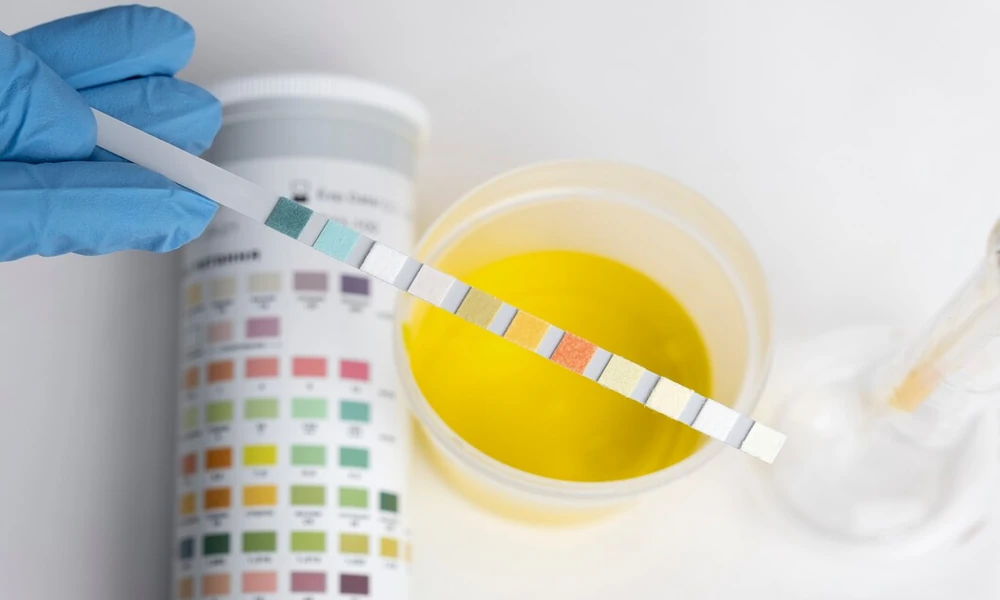
Fake urine has become a popular choice, as its physical and chemical properties are similar to natural urine. Although it has legitimate applications in lab research and quality control, questions may arise about the interactions with drug testing methods. Drug screening has become highly advanced because it does not just check the appearance of the urine. Depending on the testing process, the laboratory examines drug metabolites and the validity of the sample. Additional analytical methods are implemented when the sample needs further investigation. These processes help you differentiate a drug-testing result from questions about suitability for analysis.
Why Are Synthetic Urine Chosen for Analyses?
Synthetic urine refers to the artificially manufactured liquid to reproduce different characteristics of natural urine. Depending on the purpose, it contains urea, water, electrolytes, and creatinine. Laboratories use artificial urine to check analytical instruments and quality control systems. However, many professionals buy synthetic urine reputable site, The PlasticSurgeryKey discusses synthetic urine in detail to pass drug tests in the workplace. There are some biological differences between natural and fake urine samples. Natural urine has a mixture of various substances, including metabolic waste. The distinction is important, especially when you buy synthetic urine for drug screening. The formula resembles some properties of urine but does not reproduce biological details present in natural urine.
How Do Urine Drug Testing Methods Work?
Modern urine drug testing involves detecting drugs and their metabolites using the right method. The process varies based on the substance being tested, the goal of screening, and the lab standards. Most testing programs start with the screening process. Antibodies are used to detect groups of related compounds and target substances. Laboratories use particular analytical techniques to investigate the results. Some methods separate compounds in a sample while identifying them with mass-spectral characteristics. Confirmatory testing is another option for distinguishing an analytical finding from the basic screening result.
Common Limitations Of Drug Testing
Although analytical technologies have undergone improvements, drug testing methods have limitations. Most tests are intended to detect a few particular substances. Besides, the time a drug remains detectable depends mainly on the testing method and the substance. Preliminary results also need more detailed analysis before interpreting them as confirmed findings. Fix the grammar error only, That is why you may take advantage of these limitations and buy synthetic urine from the best place with guidance from plasticsurgerykey. Not every artificial urine kit is reliable. You should choose a trustworthy website to purchase the artificial product. You will find the desired drug-testing outcome with this approach. There is no need to be concerned about drug detection when you take a test.