
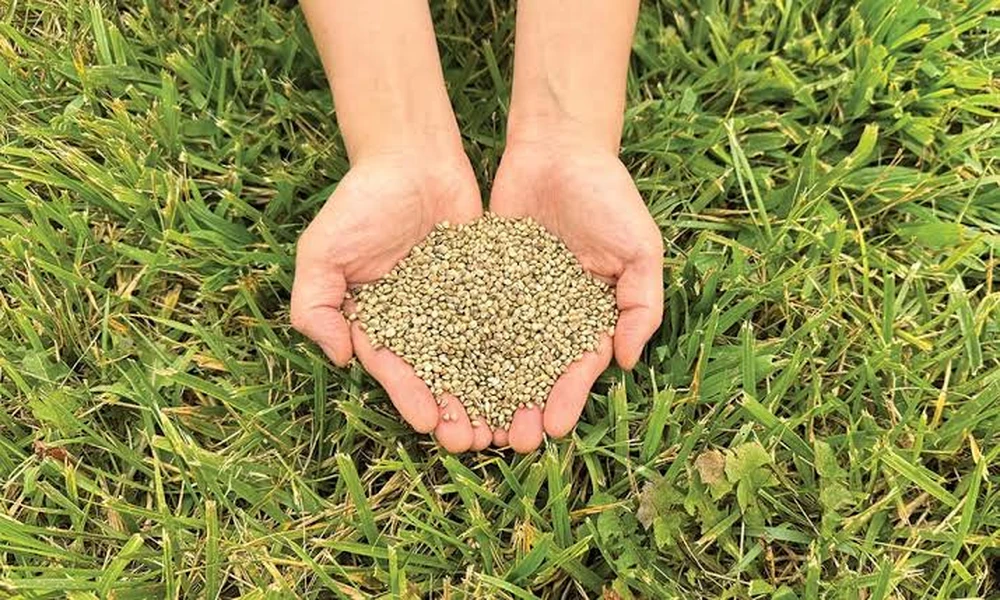
Patchy lawns rarely fail from lack of effort. Most fail because the seed never suited the site. Heat, clay, and drought punish a poor choice in one summer. Thin turf invites weeds, erosion, and runoff. Well-matched texas grass seeds handle that pressure with ease. Species, timing, soil prep, and watering decide the outcome. Winter color planning matters too in north Texas.
Matching Species to Regional Texas Conditions
Texas spans humid pine forests and arid western plains. A single species cannot thrive across both. East of Dallas, centipedegrass tolerates acidic, sandy ground. Further west, buffalograss survives on twelve inches of rain. Bermudagrass sits between, loving full sun across most regions. Shade, though, weakens Bermuda. Zoysia handles partial shade far better.
When Should Warm-Season Seed Go Down?
Soil temperature matters more than calendar dates. Warm-season types germinate once ground reaches about 65°F. Cooler soil leaves seed dormant and exposed to birds.
- Sow between late April and early June.
- Avoid seeding before a forecast cold snap.
- Give seedlings ten weeks before autumn arrives.
- Skip midsummer planting in western drought zones.
Soil Contact Decides Germination Rates
Seed resting on hard ground dries out before sprouting. Loosening the top inch gives roots an easy entry. A soil test reveals pH and missing nutrients early. A light roller presses texas grass seeds firmly into place. That contact keeps moisture around each kernel.
How Much Water Do New Seedlings Need?
Light, frequent misting works best during the first two weeks. The goal is a damp surface, never puddles. After blades reach two inches, switch to deeper soaks. Roots chase moisture downward. That depth pays off in August heat. A lawn watered daily, by contrast, stays shallow and fragile.
Can Overseeding Keep Yards Green Year-Round?
Bermuda turns tan once nights drop below 50°F. Overseeding with perennial ryegrass in October fills that gap. The swap keeps color steady through winter.
- Scalp existing turf before spreading.
- Ryegrass germinates in five days.
- Keep mowing until May heat.
- Bermuda reclaims the yard naturally.
Buffalograss Signals Where Texas Yards Are Heading
Buffalograss thriving on twelve yearly inches signals a broader shift. Austin and San Antonio already restrict summer irrigation days. Bermuda’s summer thirst will face harder questions. A seed bought this year shapes water bills for decades. Soon, consistent green coverage will mean drought tolerance, not color alone.
FAQs
Which grass seed suits shady Texas yards?
Zoysia tolerates partial shade better than Bermuda does. It still needs around four hours of direct sun each day to stay dense.
How long does Bermuda seed take to sprout?
Hulled Bermuda seed sprouts in seven to fourteen days. Warm soil and steady surface moisture shorten that window considerably.
Is St. Augustine available as seed?
St. Augustine produces little viable seed for commercial sale. Homeowners establish it through sod pieces or plugs instead.
How much buffalograss seed covers 1,000 square feet?
Plan on two to three pounds of treated burs. Heavier rates fill bare patches faster during the first growing season.